Program Overview
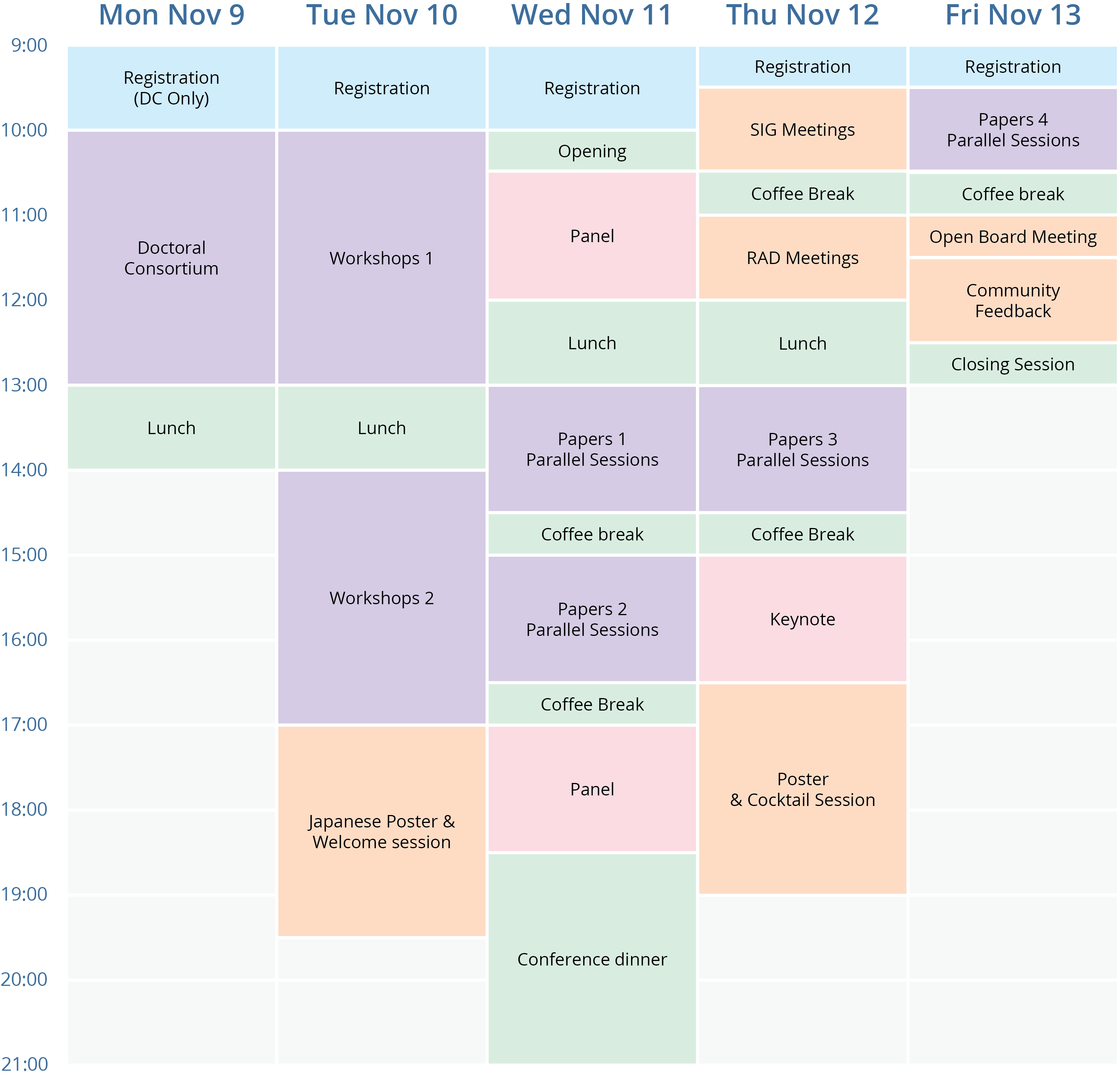
*Schedule subject to change
Special Panel
Quantitative Ethnography in Narrative Analysis
Abstract
Narratives are the cornerstone of the human experience, offering profound insights into culture, identity, and social systems. However, scaling qualitative narrative analysis to capture broader population patterns without flattening the rich, complex nuance of individual lived experiences remains a persistent methodological challenge. This special session explores the powerful intersection of Quantitative Ethnography (QE) and Narrative Analysis, demonstrating how mixed-methods frameworks and epistemic network analysis can uncover the deep structural connections, and elucidate the narrative landscape within human stories.
Led by researcher, narrative strategist, and grantmaker Michaela Leslie-Rule, this session draws upon her decades long career exploring young people's relationship to education and work, including the landmark Striving to Thriving study and her book, How We See Us: Young People Imagining a Path to Their Futures. Participants will discover how QE can be applied to large-scale qualitative datasets—such as focus groups, deep-dive interviews, and digital media—to rigorously map narrative landscapes, how individuals connect concepts and beliefs, navigate institutional barriers, and form identities. By bridging the micro-level analysis of personal discourse with the macro-level analysis of systemic cultural narratives, this session offers a transformative toolkit for researchers striving to back community stories with empirical, actionable weight.
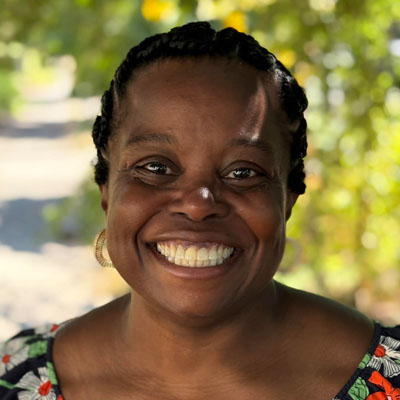
Panelist
Michaela Leslie-Rule (Gates Foundation)
Michaela Leslie-Rule
Michaela Leslie-Rule is a researcher and cultural strategist with more than two decades of experience helping communities, non-profit leaders, and philanthropic institutions advance racial and gender justice through narrative. She has partnered with communities across the United States, Europe, and East and Central Africa to understand and leverage beliefs, lived experiences and community-held expertise to catalyze social, cultural, and narrative change around a variety of issues.
Michaela is currently a Senior Program Officer at the Gates Foundation, where she applies narrative change strategies to improving students' educational experiences and learning outcomes. Before working at the Foundation, she conducted multi-year studies exploring social capital and career pathways, math beliefs and emotions among middle schoolers, parents, and teachers, and occupational identity formation among Black and Hispanic young people. The latter is the source materials for her book, How We See Us: Young People Imagining a Path to Their Futures (Harvard Education Press, 2025)..
Abstract
Ethnography is an established sociological methodology for exploring unfamiliar cultural practices. While many high-quality studies are presented at the conference, few focus on sociological research themes or the identification of previously unknown cultural practices. This panel session will examine how quantitative approaches in ethnography can be grounded in sociological research through in-depth, constructive dialogue between qualitative and quantitative scholars.
We focus on a social practice: disaster preparation and resilience. The history of humankind is an iterative process of building resilience in the face of disasters. Human communities have experienced many types of disasters, including wars, earthquakes, unknown viruses, and nuclear power plant meltdowns, to name just a few. Such events will continue to occur; they will not simply fade away. How can we endure these unexpected disruptions in our lives while sustaining and developing our societies and communities? How can we learn to be resilient to disasters based on our past experiences? How might a quantitative approach to this social practice provide new insights that go beyond traditional qualitative approaches?
In this panel session, four panelists will present their qualitative or quantitative studies on disaster-related human practices. Based on their reports, the panelists will discuss why they chose their respective approaches (qualitative, quantitative, or mixed-methods) for their research programs, the challenges they perceive in adopting the alternative approach, and how they can continue to incorporate complementary methods in their fields.
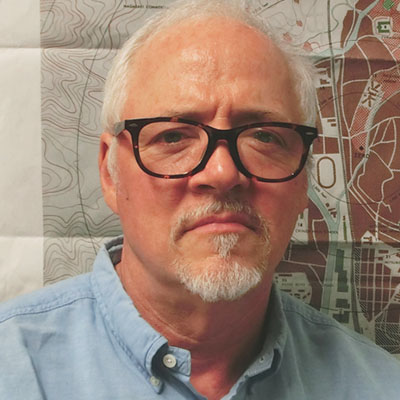
Panelist
Mordecai G. Sheftall, Ph.D.
(Shizuoka University, Japan)
Mordecai G. Sheftall
Mordecai George Sheftall is an American author and scholar living in Japan since 1987. His major publications to date are Nagasaki: The Last Witnesses (2025), Hiroshima: The Last Witnesses (2024) and Blossoms in the Wind: Human Legacies of the Kamikaze (2005). He is a professor of modern Japanese cultural history and communication in the Faculty of Informatics at Shizuoka University, a branch campus of the Japanese national university system. Sheftall's writing and research activities focus on the modern evolution of Japanese national identity, with particular emphasis on the Japanese experience in World War IIand the lingering effects of that conflict on both collective and individual Japanese consciousness. Fluent and literate in Japanese, he is a frequent commentator on modern Japanese history, culture and identity issues in public symposia and Japanese broadcast and print news media. He has also been a featured commentator and technical advisor on the History Channel series "Dogfights." He has contributed chapters to scholarly volumes on the legacy of the Second World War in modern Japanese society and on the historical, cultural and sociological analysis of the effect of military defeat on modern societies. His books explore the legacy of Japan's wartime activities.
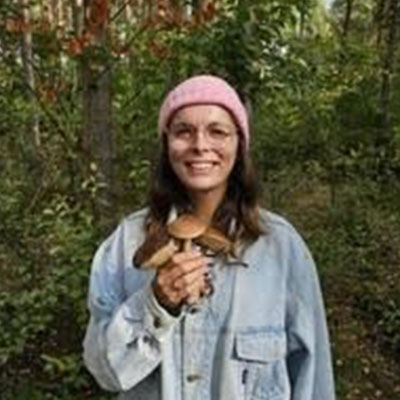
Panelist
Aleksandra Ross, Ph.D.
(Kveloce, Belgium)
Aleksandra Ross
PhD in Cultural and Religious Studies. Her doctoral dissertation examined the nature–culture status of post-nuclear spaces, using the examples of the nuclear power plant disasters in Chernobyl (Ukraine) and Ōkuma (Fukushima Prefecture, Japan). She was the principal investigator of the research grant "(Bio)discourse after Disaster: The Nature–Culture Status of Nuclear Catastrophes in Chernobyl and Fukushima" (no. 2019/33/N/HS2/00268), founded by the National Science Centre, Poland.
A recipient of the Fulbright Junior Research Award 2022–2023, under which she conducted research at the Massachusetts Institute of Technology (MIT).
Her main areas of interest include methodology of environmental humanities, environmental history of post-nuclear spaces, the mycological turn in the humanities, and cultural context of climate change.
Panelist
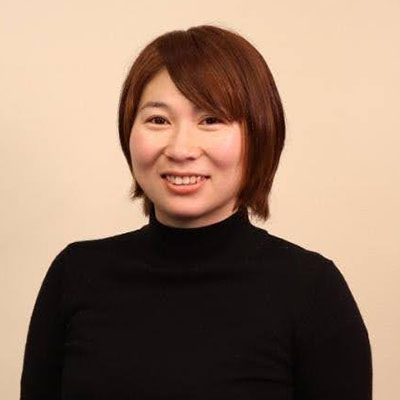
Miki Mochizuki, Ph.D.
(Shizuoka University, Japan)
Miki Mochizuki
Dr. Miki Mochizuki is a Senior Lecturer in the Department of Socio-Information Studies, Faculty of Informatics, Shizuoka University, Japan. She received her bachelor’s degree in Philosophy from Keio University, Japan, in 2013, and her Ph.D. in Environmental Studies from the Graduate School of Frontier Sciences, the University of Tokyo, in 2019. Prior to her current position, she worked as a Research Fellow of the Japan Society for the Promotion of Science (JSPS). She has also taught at Keio University in Tokyo.
Her specialties include regional sociology, rural sociology, and disaster studies, and she has conducted long-term research on rural reconstruction following the Great East Japan Earthquake. Her book, The Sociology of Post-Disaster Recovery and Ikigai, received the 20th Research Encouragement Award of the Japan Sociological Society and has been widely recognized in the field.
She has examined psychological and community-based forms of care in post-disaster recovery. More recently, her research has focused on long-term and wide-area evacuation following the Fukushima nuclear accident, as well as on the coexistence of disaster preparedness and everyday life in coastal communities, based on fieldwork conducted in rural and mountainous areas of Japan.
Panelist
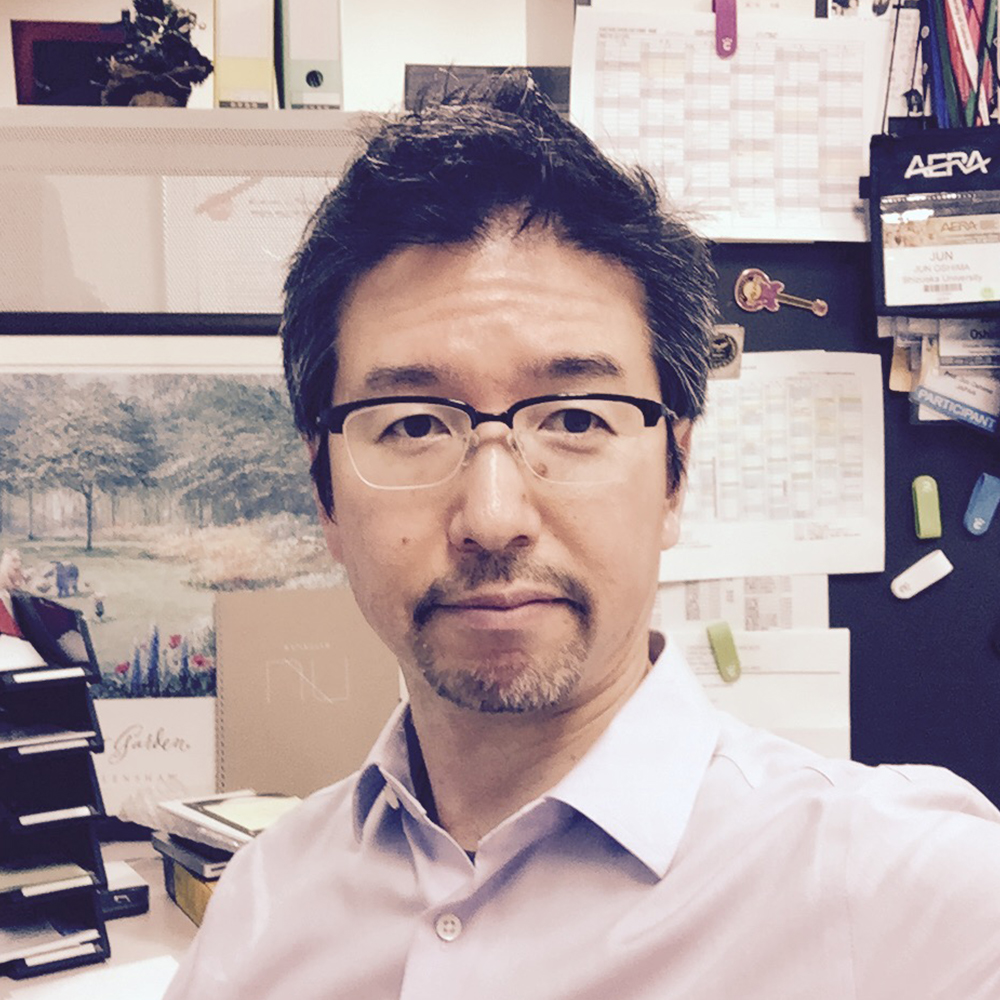
Jun Oshima, Ph.D.
(Shizuoka University, Japan)
Jun Oshima
Jun Oshima is a Professor at the Graduate School of Integrated Science and Technology at Shizuoka University, Japan. He has conducted research on knowledge-building practices in Japanese school curricula, spanning from the elementary school to higher education. His recent work includes proposing a new assessment approach to identify how learners construct collective intelligence, using social network analysis of discourse. With the development of analysis software, he has conducted several studies to establish indicators of knowledge-building practices. His academic interests have also expanded to multimodal learning analytics through collaboration with sensor technology engineering teams and natural language processing research teams to explore how verbal and nonverbal interactions contribute to productive learning outcomes. He is a fellow of the International Society of the Learning Sciences. He serves on the editorial boards of the International Journal of Computer-Supported Collaborative Learning and the Journal of the Learning Sciences, and is a co-editor of the International Handbook of Computer-Supported Collaborative Learning.